

1. What is PaperStone solid surface made of?
PaperStone is a durable, sustainable solid surface material made from up to 100% post-consumer recycled paper and a proprietary phenolic resin. The layers are compressed under high heat and pressure to create dense, non-porous panels.
2. Are recycled paper countertops like PaperStone durable?
Yes, despite being made from paper, PaperStone offers heavy-duty, stone-like performance. It is extremely dense, non-porous, and features high compressive strength, making it an excellent, resilient alternative to traditional stone or quartz countertops.
3. What colors and collections are available for PaperStone?
PaperStone is available in multiple rich hues across several lines, including the Standard Collection, Solid Core Collection, Designer Collection, and CoverPly. Popular colors available through CaraGreen include Slate, Cabernet, Pewter, and Sand.
4. What is PaperStone CoverPly?
PaperStone CoverPly features a structural plywood core sandwiched between PaperStone cap sheets on the face and back. This combination offers a lightweight, high-strength panel ideal for cabinetry, custom furniture, and shelving.
5. How does the PaperStone Solid Core collection differ?
The PaperStone Solid Core Collection features Designer Collection cap sheets on the face and back over a layered Slate/Designer color core. This provides striking contrast for exposed routed edges while maintaining exceptional overall durability.
6. Is PaperStone a sustainable surface material?
Yes, PaperStone is a highly eco-friendly surface made from recycled paper. It boasts low to no VOC emissions, contributes to green building certifications, and provides a warm, natural aesthetic without depleting natural stone resources.
7. Can PaperStone be used for exterior cladding?
Yes, PaperStone Exterior Cladding is specifically formulated for outdoor architectural use. It features enhanced UV stability, color retention, and excellent weather resistance. A recommended installation system is also available through NorthClad Inc.
9. Is PaperStone safe for commercial kitchens and food prep?
Absolutely. PaperStone is an NSF-certified, food-safe surface. Its non-porous nature makes it highly hygienic and resistant to bacteria, making it an excellent choice for residential countertops, commercial kitchens, and restaurant food preparation areas.
10. What is the fire rating for PaperStone panels?
PaperStone is a Class A fire-rated solid surface material. It offers exceptional heat resistance and will not melt or readily combust, making it a safe choice for diverse commercial and residential building applications.
11. What are the standard panel sizes for PaperStone?
PaperStone panels are available in standard widths of 48" or 60", and lengths of 96”, 120”, or 144”. Typical thickness options include 5/16” or 10mm, offering versatile dimensions to optimize project yield.
12. Do I need special tools for PaperStone fabrication?
No, PaperStone is easy to cut, route, and drill using standard, high-quality carbide-tipped woodworking tools. This allows for simpler fabrication and generally lower installation costs compared to traditional stone or quartz masonry.
13. Does PaperStone come with a warranty?
Yes, PaperStone is backed by a 10-year manufacturer's warranty, ensuring long-term reliability, durability, and performance for your sustainable building and design projects.
14. Does PaperStone emit VOCs or formaldehyde?
No, all variants of PaperStone are low to no VOC and contain no added formaldehyde. This promotes healthy indoor air quality, making it a safe material for homes, schools, healthcare facilities, and offices.
15. Is PaperStone water-resistant for bathroom use?
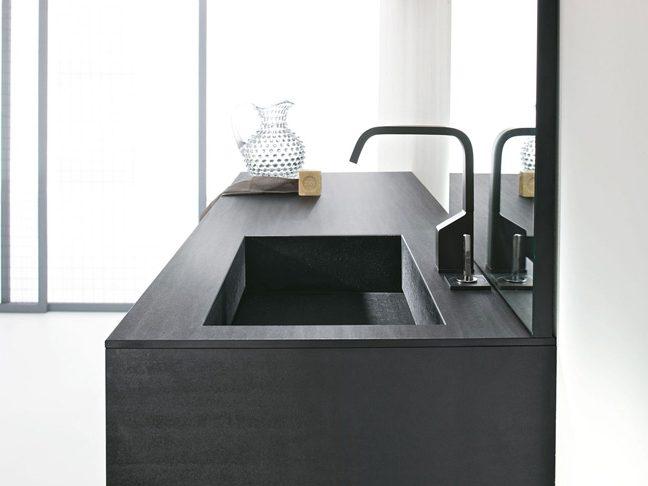
Yes, the heavy compression and resin saturation process makes PaperStone extremely dense, non-porous, and highly water-resistant. This makes it perfect for bathroom vanities, shower partitions, and other high-moisture environments.
16. Does PaperStone have an Environmental Product Declaration (EPD)?
Yes, PaperStone provides a verified Environmental Product Declaration (EPD) to support sustainable design goals, verify its lifecycle environmental impact, and help projects achieve LEED and other green building certifications.
17. How does PaperStone compare to quartz countertops?
Unlike quartz, which can be brittle and often contains hazardous crystalline silica, PaperStone is completely silica-free. It is warmer to the touch, more sustainable, and can be fabricated using standard woodworking tools rather than wet-cutting masonry tools.
18. How do you clean and maintain PaperStone?
Routine cleaning of PaperStone requires only mild soap and water. It is a dense, stain-resistant surface. CaraGreen also provides a comprehensive Care and Maintenance guide for long-term upkeep and specialized cleaning instructions.
19. Is PaperStone resistant to commercial cleaning chemicals?
Yes, PaperStone offers excellent chemical resistance, making it highly suitable for demanding environments like laboratories, schools, and hospitals. A detailed Chemical Resistance Testing Chart is available to review specific chemical interactions.
20. Can PaperStone be refinished if scratched?
Yes, minor scratches and surface wear on PaperStone can be sanded and buffed out using standard finishing pads. A specialized Finish Guide is available to help maintain or easily restore its rich, natural patina over time.
Share:
Organoid Natural Surfaces | Commonly Asked Questions
Timber Slab Tables | Commonly Asked Questions