


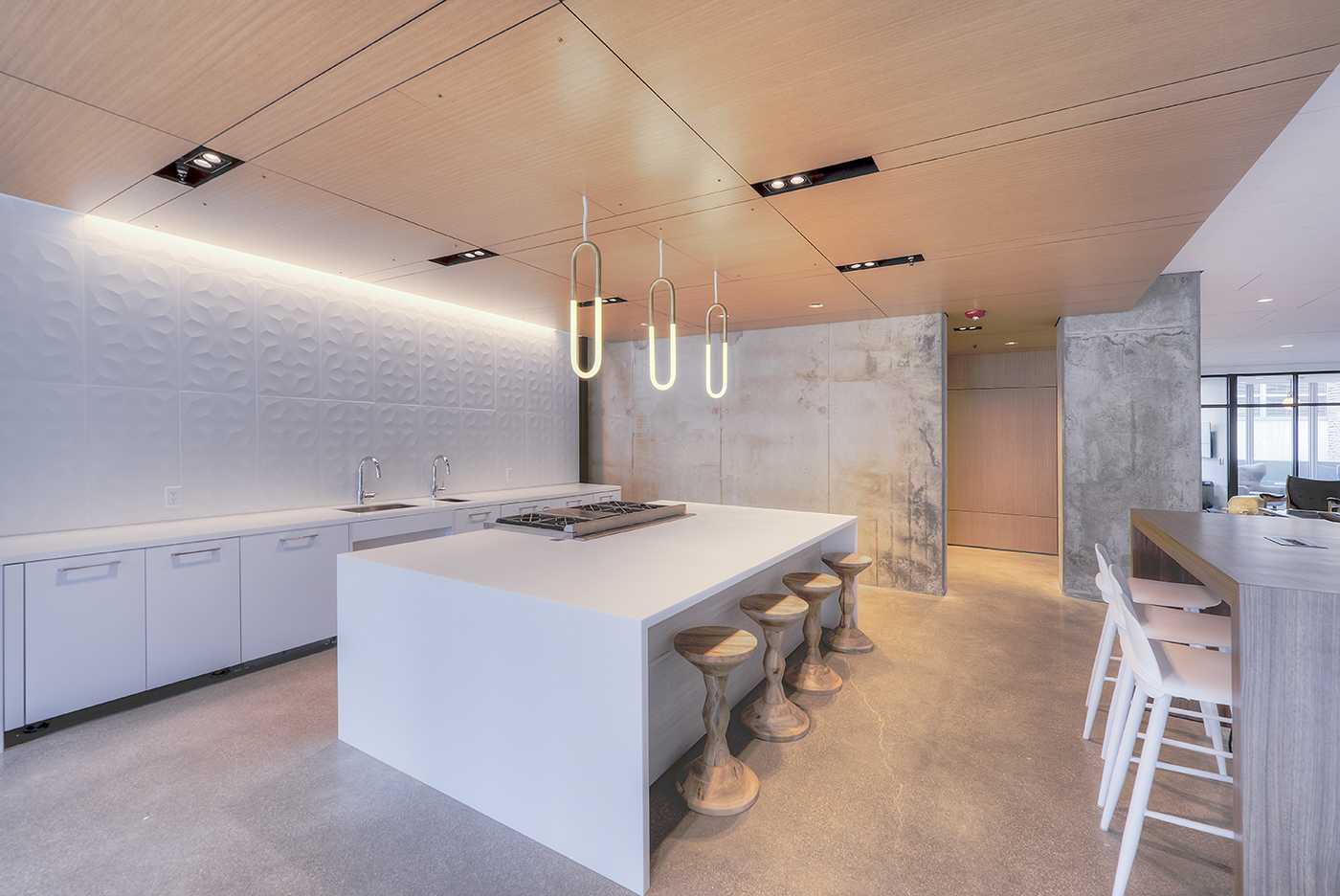
Quartz vs. Recycled Glass Countertops: The Architect’s Guide to Smarter Surfacing

Let’s talk about the industry's surfacing default. For years, white quartz with gray veining has dominated mood boards, material libraries, and client requests. But when your bespoke commercial lobby starts looking identical to the budget flip-house down the street, it’s time to ask a critical question: is quartz still the reigning champion of countertops, or has it just become a tired commodity?
At CaraGreen, we’re watching forward-thinking commercial architects and designers actively pivot. They are trading the predictable (and ethically murky) world of engineered quartz for the vibrant, architectural depth of recycled glass.
If you are tasked with sourcing sustainable finishes that actually perform, here is why the glass is significantly greener on this side of the specification sheet.
The Quartz Commoditization Crisis
To understand the shift toward recycled glass, you have to look at what happened to quartz. It started as a premium, highly durable mix of crushed mineral and resin. But as global demand skyrocketed, the market flooded with cheap, opportunistic knockoffs. Suddenly, a prestigious material became a race to the bottom.
When the US imposed massive tariffs on these dumped materials, overseas manufacturers scrambled. The workarounds were almost comical. Some factories quickly swapped quartz for pulverized glass (which was swiftly caught by new tariff language). Others hopped production across borders to Vietnam and Turkey, or engaged in "transshipping"—sending material through a third country to deliberately dodge 300%+ duties.
If you specify standard quartz today, you aren't just picking a colorway; you are navigating a regulatory minefield and a highly unstable supply chain.
The Recycled Glass Renaissance
Enter recycled glass countertops. And to be clear, we aren't talking about the pulverized glass dust used as a cheap filler to dodge quartz tariffs. We are talking about purpose-built, high-performance sustainable surfaces like GEOS Surfaces and Gilasi.
Think about the sheer scale of waste reduction: a single standard glass bottle weighs about half a pound. Specifying a recycled glass surface for a corporate breakroom or a multi-family development can literally divert thousands of pounds of glass from the landfill. But beyond the impressive environmental metrics, it fundamentally delivers on design.
Recycled glass leans heavily into the highly coveted terrazzo aesthetic. It offers deep, crystalline transparency with large, vibrant flecks of blue, green, amber, or stark white. Some variations even incorporate pearlescent shells for an organic, textured quality. It is chunkier, funkier, and far more architecturally significant than faux-marble quartz. Crucially, many of these recycled options are completely free of the crystalline silica hazards that are currently plaguing the quartz fabrication industry.
Specify with Authority
Sifting through the noise of building materials is exhausting. You need surfaces that hit aggressive LEED targets, survive real-world commercial wear and tear, and tell a compelling story to your clients.
That is exactly what we do at CaraGreen. We do the heavy lifting of vetting, testing, and curating the industry's best sustainable surfacing materials so you can focus on designing incredible spaces without the environmental guilt.
Stop defaulting to commodities. Elevate your next project's material palette. Browse our full collection of sustainable finishes to pull samples for your firm's library, or request a quote for your active build today.


FAQ: Specifying Recycled Glass vs. Quartz
What is the main difference between quartz and recycled glass countertops?
Quartz is an engineered stone made primarily from crushed quartz minerals and resin, which has recently suffered from heavy commoditization and international supply chain tariffs. Recycled glass countertops utilize post-consumer and post-industrial glass suspended in a durable resin or epoxy binder to create a high-performing, terrazzo-like surface that diverts massive amounts of waste from landfills.
Are recycled glass countertops durable enough for high-traffic commercial use?
Absolutely. High-quality recycled glass surfaces like GEOS use advanced binders that render the slabs completely non-porous. They are highly resistant to scratching and staining, fabricated much like engineered quartz but without the tedious, ongoing maintenance required by natural stone or traditional cement-bound terrazzo.
Why are commercial architects specifying alternatives to quartz?
Architects and designers are actively shifting away from quartz due to a combination of aesthetic fatigue, supply chain instability caused by heavy tariffs on overseas manufacturing, and severe occupational health risks. Traditional quartz contains high levels of crystalline silica, which poses a deadly respiratory risk (silicosis) to fabricators. Recycled glass offers a safer, more sustainable, and visually distinct alternative.
Where can I source reliable sustainable surfacing materials for my projects?
Commercial specifiers should look for materials backed by verified high recycled content and transparent manufacturing processes. CaraGreen specializes in vetting and distributing these exact high-performance, eco-friendly finishes for the architecture and design community.
Share:
Sintered Stone or Porcelain?? What’s the Difference?
The Architect’s Guide to Crystalline Silica: The Hidden Liability in Your Surfacing Specs