


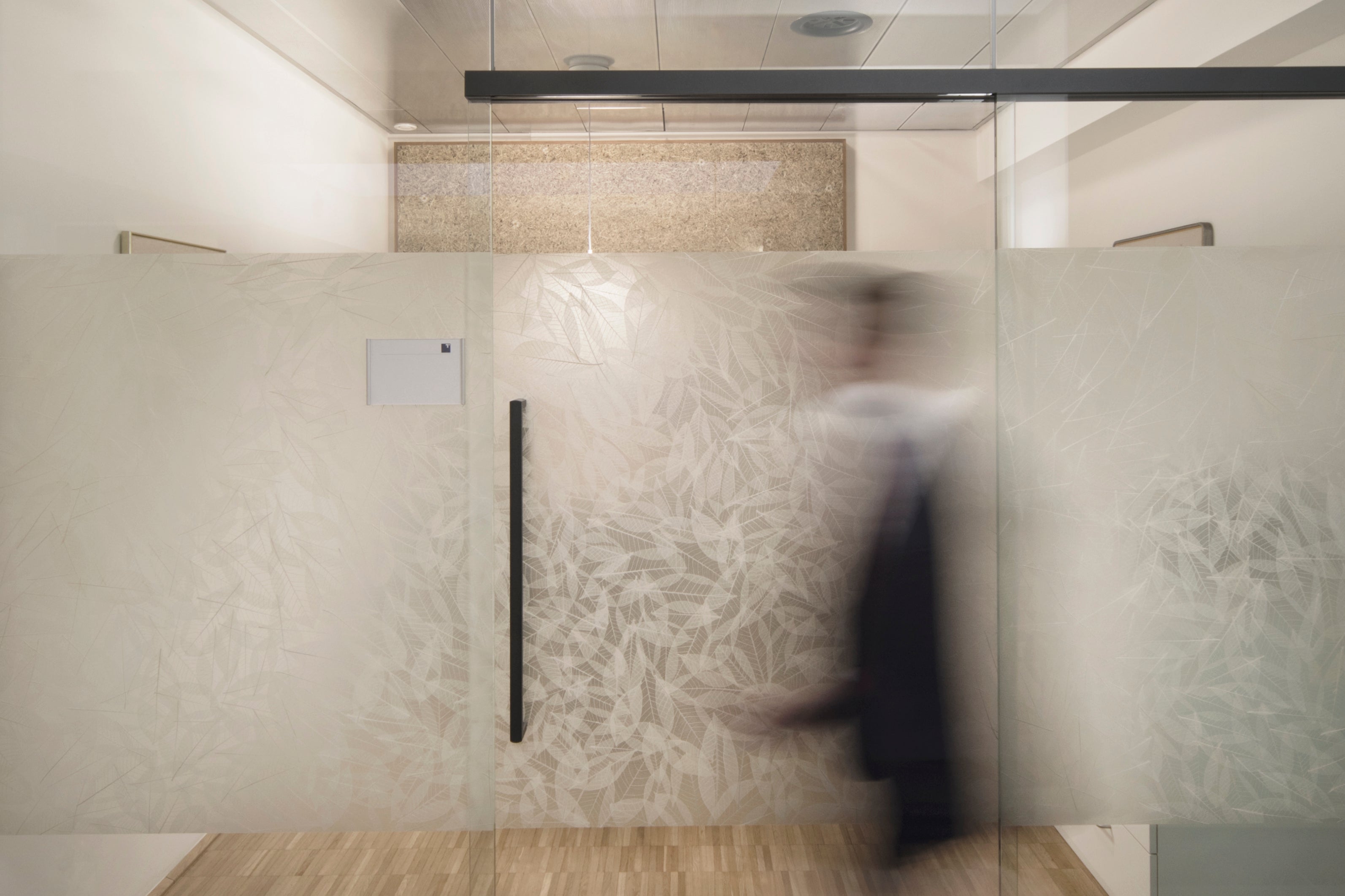
In modern commercial and residential design, sustainable surfaces must deliver on three fronts: biophilic beauty, human health, and verified carbon data. Organoid natural wallcoverings represent a unique category of bio-surfacing: real, organic plant matter including alpine hay, cornflower petals, lavender, moss, and skeleton leaves, pressed onto flexible backings using non-toxic binders.
Unlike printed digital vinyls or synthetic wallcoverings, Organoid surfaces retain their authentic natural colors, tactile 3-D textures, and subtle natural scents, bringing true biophilic interior design into workplaces, hospitality venues, and healthcare settings.
At CaraGreen, we believe the surfaces surrounding us should do more than look and smell extraordinary; they should contribute to a healthier planet. Below, we examine the verified Environmental Product Declaration (EPD) of Organoid to see how these natural bio-surfaces outperform conventional commercial wallcoverings.
What Makes Organoid Different? Material Composition & Substrates
Organoid bio-surfaces are manufactured in the Tyrolean Alps using 100% natural, untreated raw materials. To meet diverse architectural specifications, Organoid is available in multiple versatile backings:
-
Organoid FLEX (Flax/Fleece Backing): A highly flexible, breathable backing ideal for direct wallcovering application and custom millwork wrapping.
-
Organoid HPL (High-Pressure Laminate): A rigid 1mm high-pressure laminate backing designed for cabinetry, tabletop surfacing, and heavy-use architectural panels.
-
Organoid SELF-ADHESIVE: A peel-and-stick bio-film backing designed for quick glass, metal, and interior retrofit applications.
-
Commercial Code Compliance: Select Organoid lines are available with flame-retardant treatments achieving Class A fire ratings (ASTM E84 / EN 13501-1) required for commercial building codes.
1. Turning Carbon into a Resource: Biogenic Storage
A major environmental advantage of Organoid is its reliance on biogenic carbon sequestration. By utilizing rapidly renewable agricultural byproducts, such as alpine hay, wild flowers, and natural flax fibers, Organoid captures 0.45 kg of CO2 per 1 kg of material naturally during the plant growth phase.
This results in a negative biogenic carbon footprint of −0.77 kg CO2-eq during the manufacturing stage (Modules A1-A3). In contrast, traditional vinyl (PVC) wallcoverings rely on petroleum feedstocks, offering zero carbon storage capabilities.
2. Low-Impact Manufacturing & GWP
When evaluating Global Warming Potential (GWP), the data shows a clear advantage. Organoid’s total production footprint is just 1.49 kg CO2-eq/m2.
While light paper backings may fall in a similar range, heavy commercial vinyl wallcoverings frequently exceed 5.0 kg CO2-eq/m2 due to chemical processing, plasticizer synthesis, and high energy inputs. Choosing Organoid delivers a low-carbon interior footprint without sacrificing commercial design impact.
3. Circularity and End-of-Life Energy Recovery
A complete lifecycle assessment (LCA) evaluates end-of-life disposal. While Organoid utilizes 28.2 MJ of fossil fuel energy during manufacturing, it yields energy credits at the end of its lifecycle.
Through thermal treatment at disposal, the organic biomass generates usable energy, resulting in a net recovery credit of −0.356 kg CO2-eq (Module D). Conventional vinyl lacks bio-based neutrality and requires specialized incineration handling to manage hazardous chlorine, phthalate, and dioxin emissions.
4. Indoor Air Quality and Human Wellness
Beyond embodied carbon, Organoid prioritizes indoor environmental quality (IEQ). Formulated with chemical-free ecological binders and untreated plant fibers, Organoid surfaces emit virtually zero volatile organic compounds (VOCs) and are naturally allergen-free.
Unlike standard vinyl wallcoverings that can off-gas synthetic plasticizers and heavy metals degrading indoor air quality, Organoid brings the purity and sensory benefits of nature indoors.
The Bottom Line
Organoid isn't just a beautiful aesthetic choice; it’s a technically superior solution for designers committed to decarbonization and indoor wellness. By merging biogenic carbon storage with low-impact manufacturing, it sets a new standard for what a sustainable surface can achieve.
Frequently Asked Questions About Organoid Wallcoverings
Q: What materials are Organoid wallcoverings made from?
A: Organoid surfaces are made from 100% natural organic materials, including alpine hay, moss, rose petals, jasmine flowers, lavender, seeds, and skeleton leaves, bound with ecological, non-toxic binders onto eco-friendly backings.
Q: Do Organoid wallcoverings smell like natural plants?
A: Yes. Organoid surfaces retain the natural, subtle aroma of their original organic ingredients—such as fresh-cut alpine hay or lavender—without artificial fragrances, enhancing biophilic interior design.
Q: How do you clean and maintain Organoid wallcoverings?
A: Organoid surfaces can be gently cleaned using a soft brush or vacuum with a brush attachment. For high-traffic commercial applications, protective natural sealants are available to enhance water and stain resistance.
Share:
Informed, Prepared, and Safe: A Timeline of CaraGreen’s Ongoing Conversation on Crystalline Silica
So, How’s That Imported Quartz Working Out For You?