


Blogs by CaraGreen
Quartz vs. Recycled Glass Countertops | Blogs by Caragreen
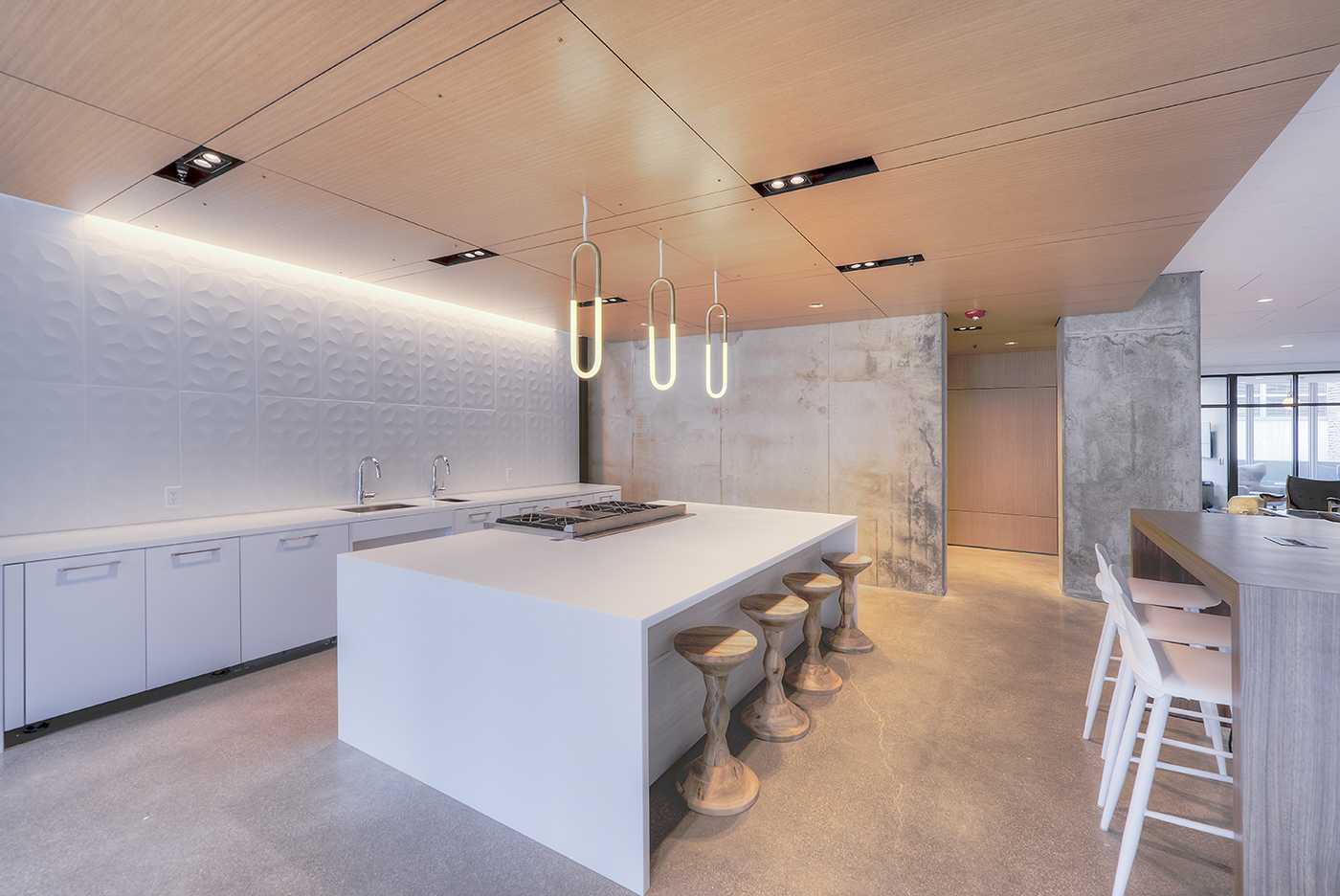
Looking for a countertop that’s stylish and sustainable? Recycled glass surfaces keep hundreds of pounds of glass out of landfills while offering a vibrant terrazzo-inspired look. Unlike quartz—which has become heavily commoditized and tied to complex tariffs—recycled glass counters like GEOS, Gilasi, and Durat tell a true green story. So skip the marble-madness quartz and serve eco-style with countertops that sparkle for the planet.
Sintered Stone or Porcelain?? What’s the Difference?
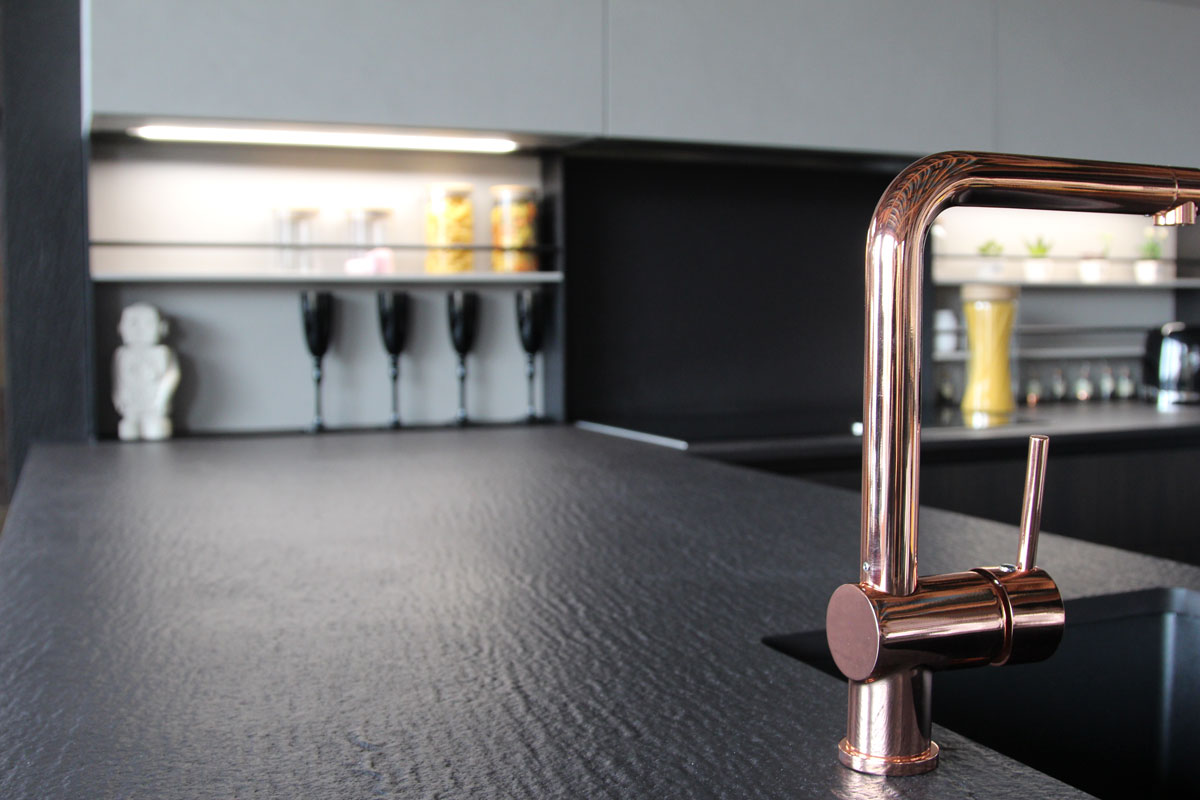
Sintered stone remains somewhat misunderstood compared to large format porcelain, though both undergo high-pressure and heat processes. Sintered stone—offered by brands like Dekton, Lapitec, and Neolith—is made by heating and compressing powdered minerals, creating a strong, nonporous surface that mimics natural volcanic rock. Unlike porcelain, which is often printed only on the surface and can be thin and prone to cracking, sintered stone is typically thicker and can handle rapid temperature changes and heavy impacts. Notably, Lapitec produces true “through-body” slabs, meaning patterns and colors run throughout the entire material, allowing for seamless edges and cuts without losing design continuity—a challenge for printed porcelain. This makes sintered stone stronger, more durable, and more versatile than porcelain, especially for countertops and other demanding surfaces.
It’s Terrazzo’s Time: Eco-Savvy Options to the Terrazzo Trend
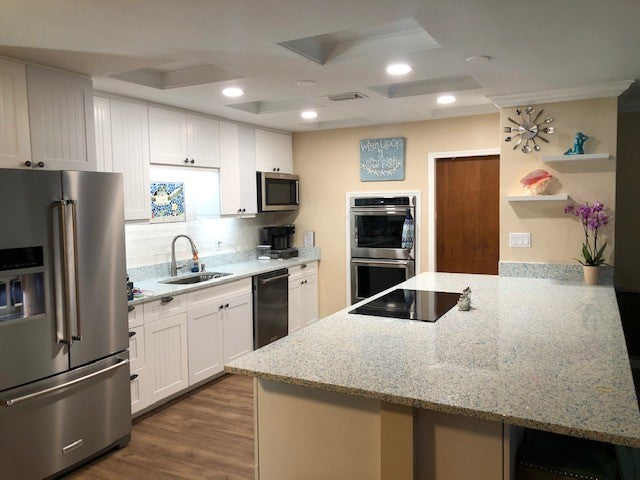
Love the terrazzo look but want something more sustainable? Traditional terrazzo has evolved from a recycled material to a mostly aesthetic trend—but there are greener options. GEOS offers recycled glass surfaces with terrazzo flair and zero sealing required. Diresco blends recycled quartz with bio-based resins for a durable, eco-conscious surface. And Durat Palace brings bold, colorful terrazzo vibes using recycled plastics in a seamless finish. Sustainable style? Yes, please.
Quartz vs. Quartzite: Know the Difference
Quartz vs. Quartzite: What’s the Difference?
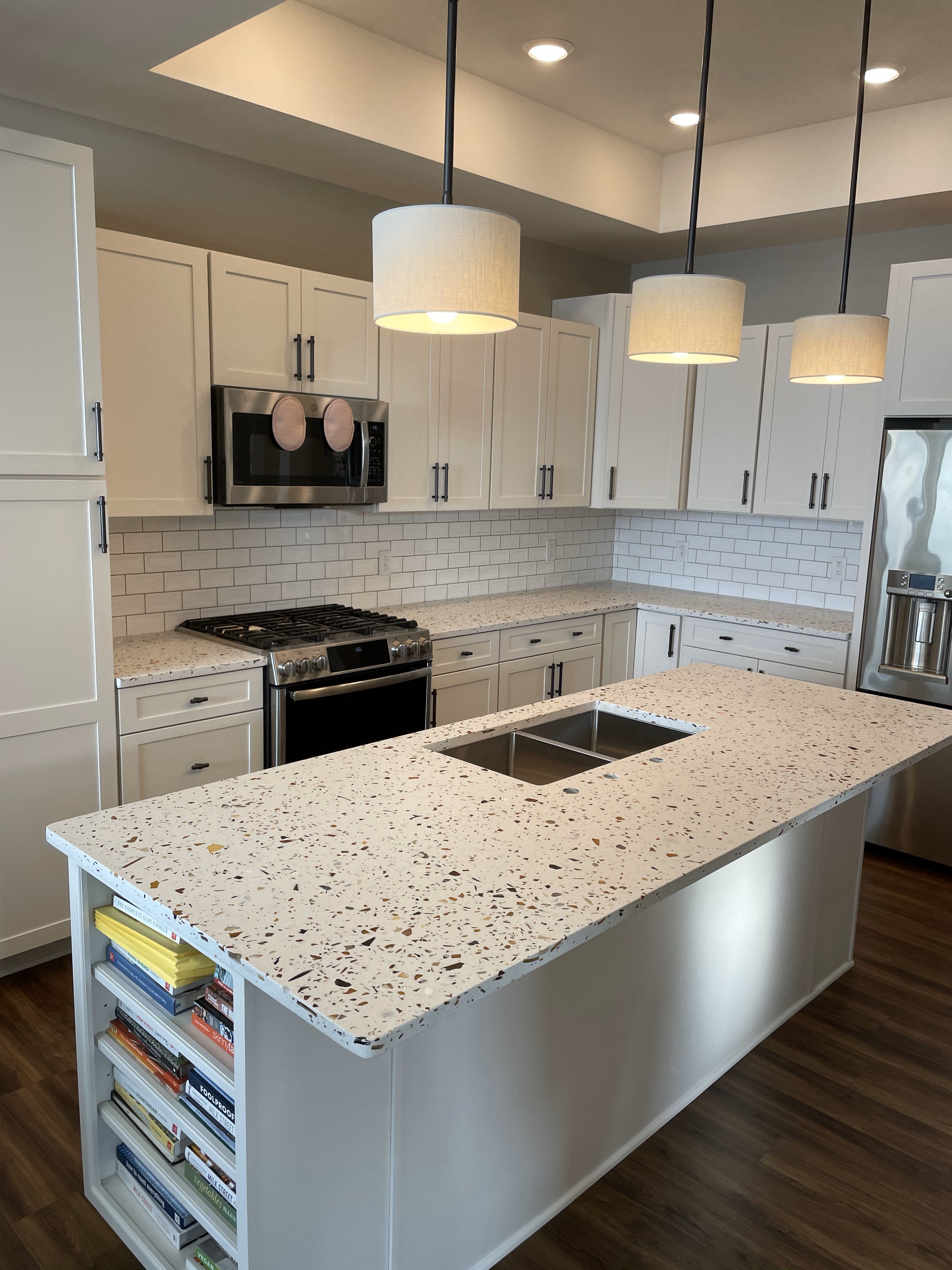
Trying to choose between quartz and quartzite countertops? Quartz is man-made, low-maintenance, and available in many colors, while quartzite is a natural stone known for its unique, high-end look. Quartz doesn’t need sealing, but quartzite does—and it’s more prone to staining. Quartz offers consistency; quartzite offers one-of-a-kind beauty. The best choice depends on your style, maintenance preferences, and budget.
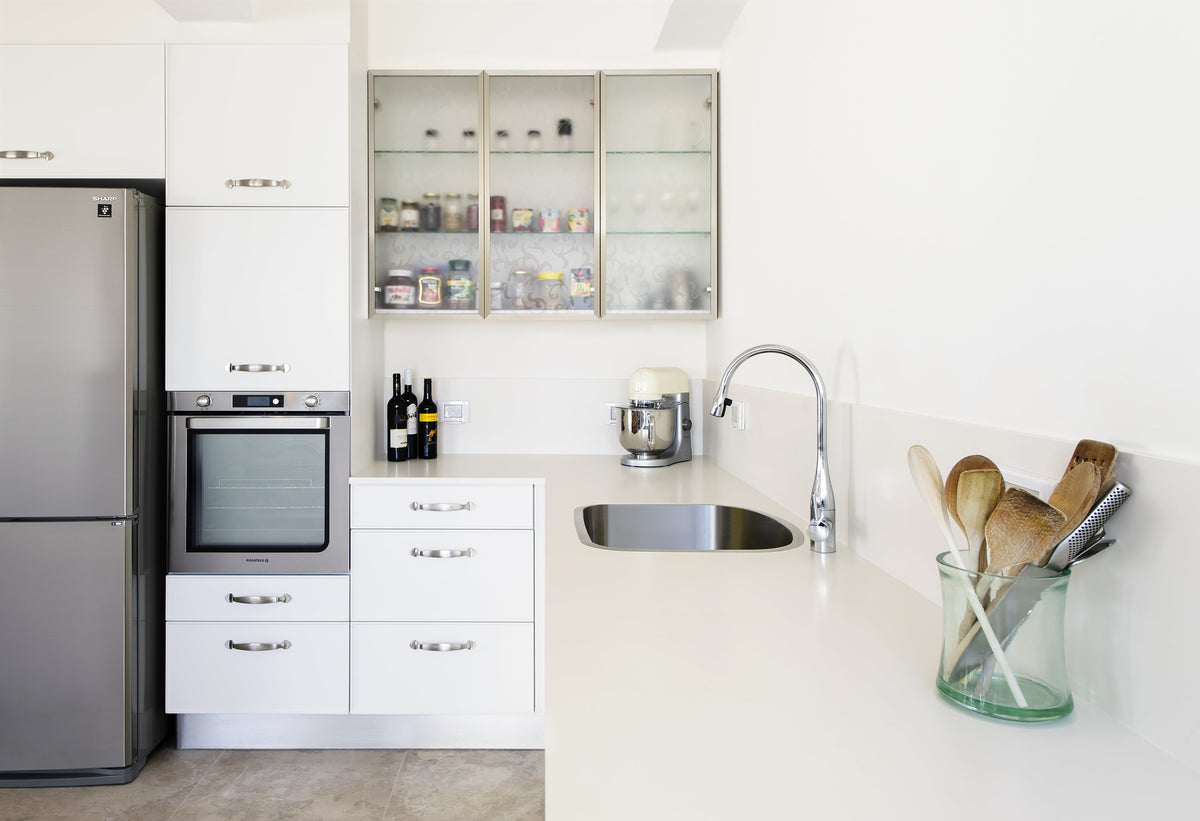
Sinter vs. Printer – How “sintered stone” differs from porcelain
Sintered stone and porcelain may look alike, but they differ significantly in composition and performance. Sintered stone is made by compressing powdered materials at high heat, often featuring through-body color and veining for seamless edges and enhanced durability. Porcelain, typically printed on the surface, offers more design variety but may show mismatched edges and be prone to chipping. It can also be much thinner, requiring additional support. As interest in low-silica, high-performance surfaces grows, it’s important to ask whether a material is sintered or printed, how thick it is, and where it’s made to ensure it meets your project needs.
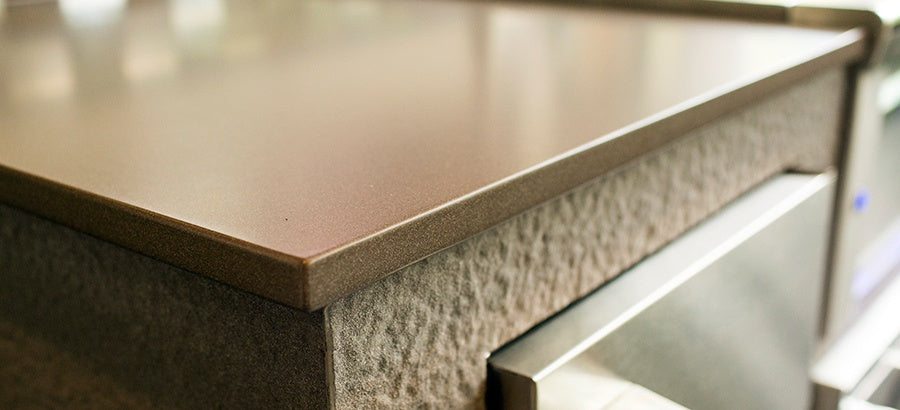
6 Reasons Quartz is in Decline
Is Quartz Still the Best Choice for Countertops?
Quartz countertops have been a popular choice, but the market is shifting. Cheap imports drove prices down, leading to lower quality and questionable materials. U.S. tariffs hit back hard, and concerns over worker safety due to silica dust have grown.
Meanwhile, consumers are turning to newer, more sustainable materials like Lapitec, Durat, and PaperStone. These offer better performance, style, and eco-credentials. Quartz isn’t out—but if you choose it, make sure you trust the brand and its practices.
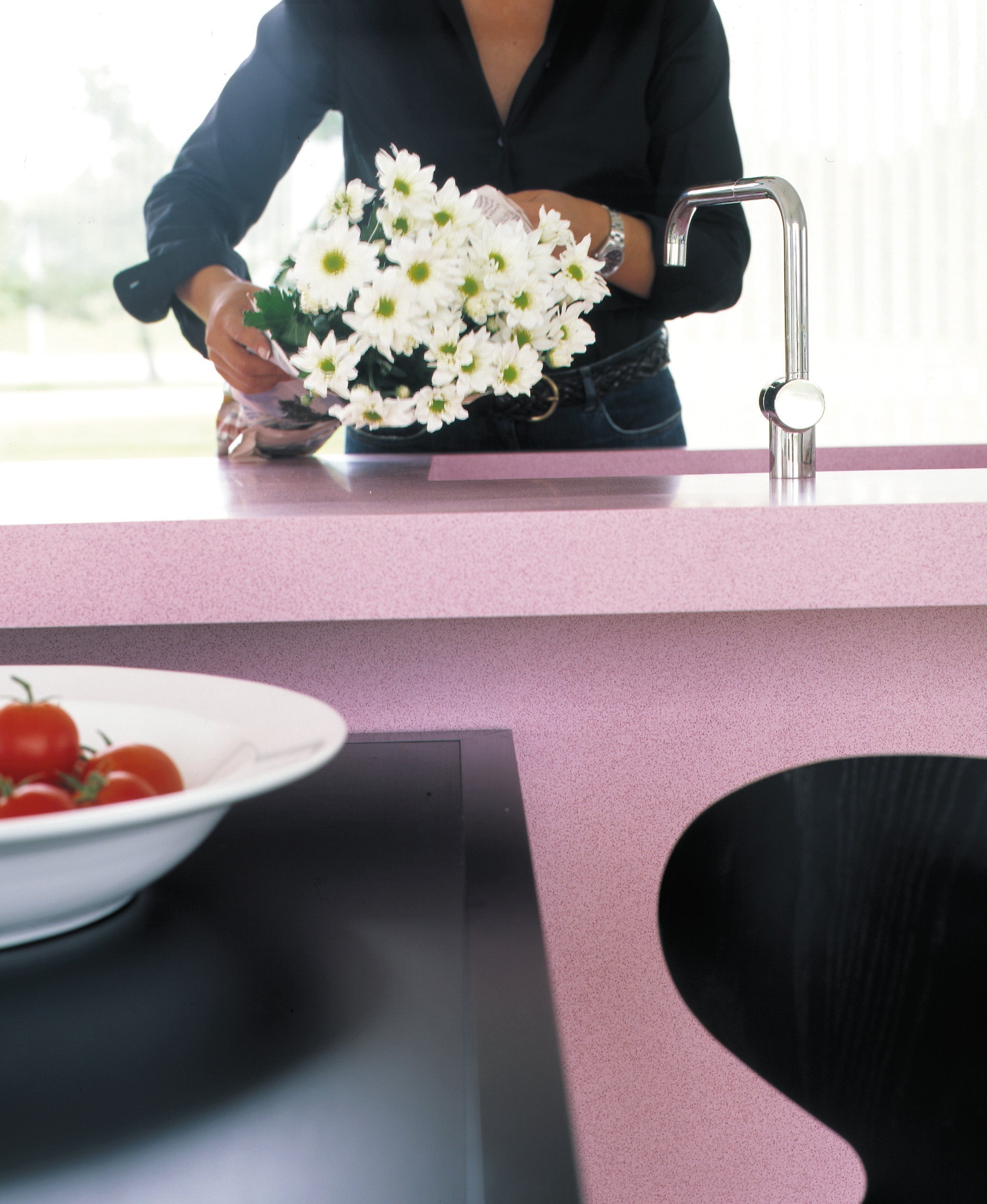
The Ultimate Quartz Alternatives Product Guide
As the quartz industry faces growing challenges like trade conflicts, rising costs, and health concerns, designers and fabricators are turning to strong, beautiful alternatives made in the USA. Options like PaperStone offer a durable, warm, and easy-to-fabricate composite; Dekton leads the ultracompact stone category with extreme durability, and low maintenance; glass2, GEOS and Gilasi provides eco-friendly glass slabs with high recycled content; and Durat delivers seamless, customizable solid surfaces with integrated sinks. These alternatives not only avoid the quartz supply and safety issues but also offer exceptional performance and design flexibility, helping you stay ahead of the surfacing curve while avoiding quartz’s pitfalls.
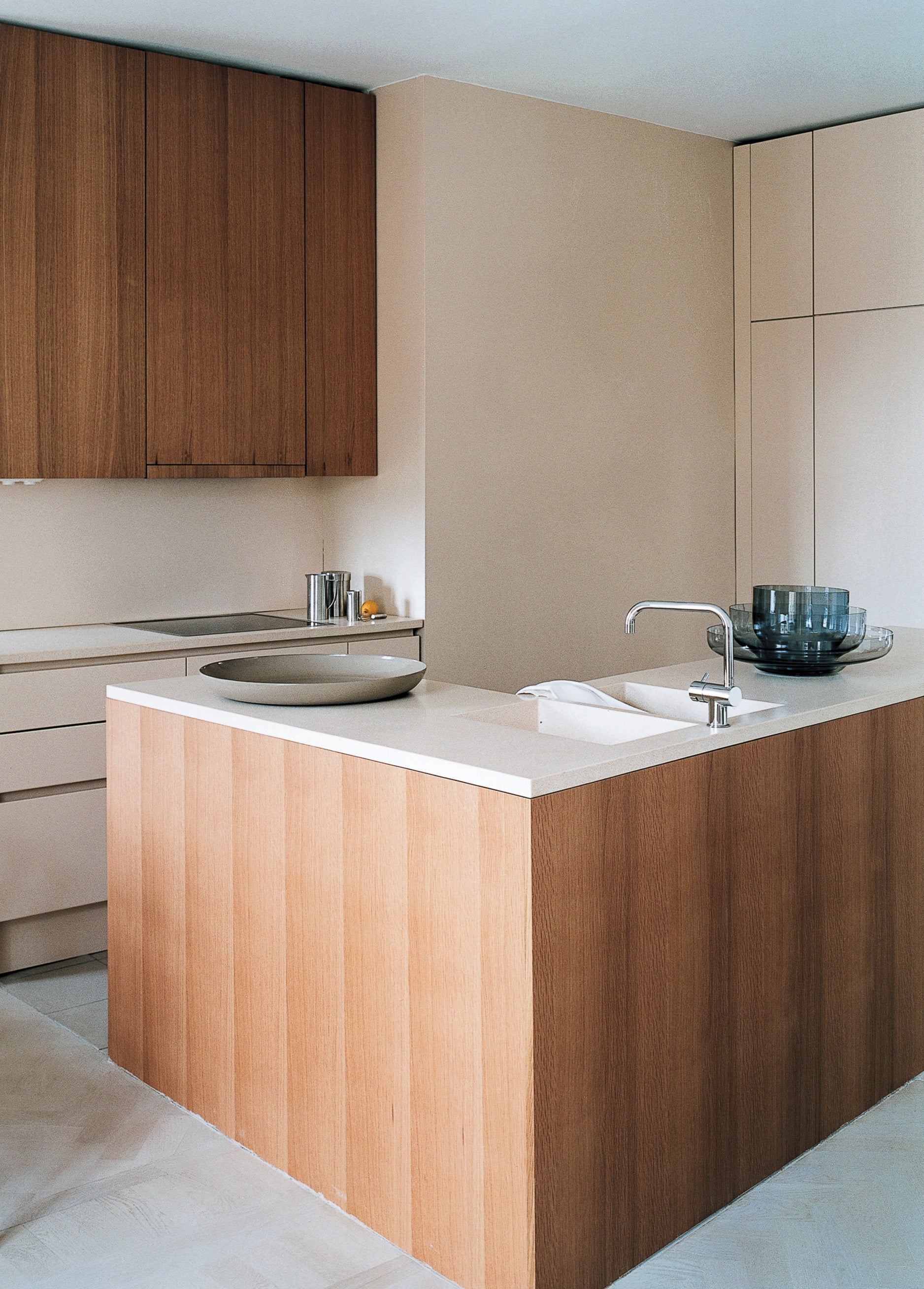
7 Reasons Why Sintered Stone is Better Than Quartz
Sintered stone is rapidly emerging as the superior choice for both residential and commercial surfaces due to its unmatched durability, heat resistance, and design versatility. Unlike quartz, sintered stone is formed by heating minerals into a solid mass without resins, making it more eco-friendly, silica-free, and safer to install. It features inherent textures, through-body color and veining, and is suitable for indoor and outdoor use, including high-traffic and wet areas. Brands like Lapitec even incorporate antibacterial properties and self-cleaning technology. As a cutting-edge, low-maintenance, and sustainable material, sintered stone is paving the way as the future of surfacing.
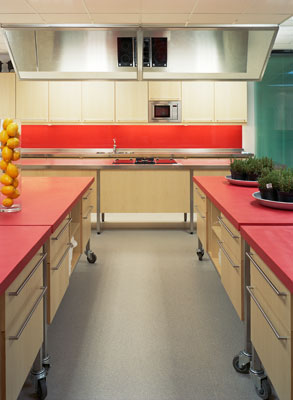
Our Top Eight Eco-Friendly Countertop Options
Sample, Quote, and Learn More About Our Products
Want to learn more about sustainable alternatives to traditional stone and surfaces? Request samples, schedule a product presentation, or attend an upcoming event to learn more about CaraGreen's products. Connect with us today.